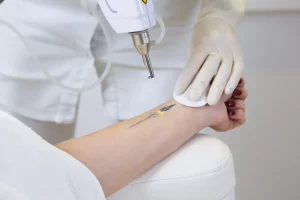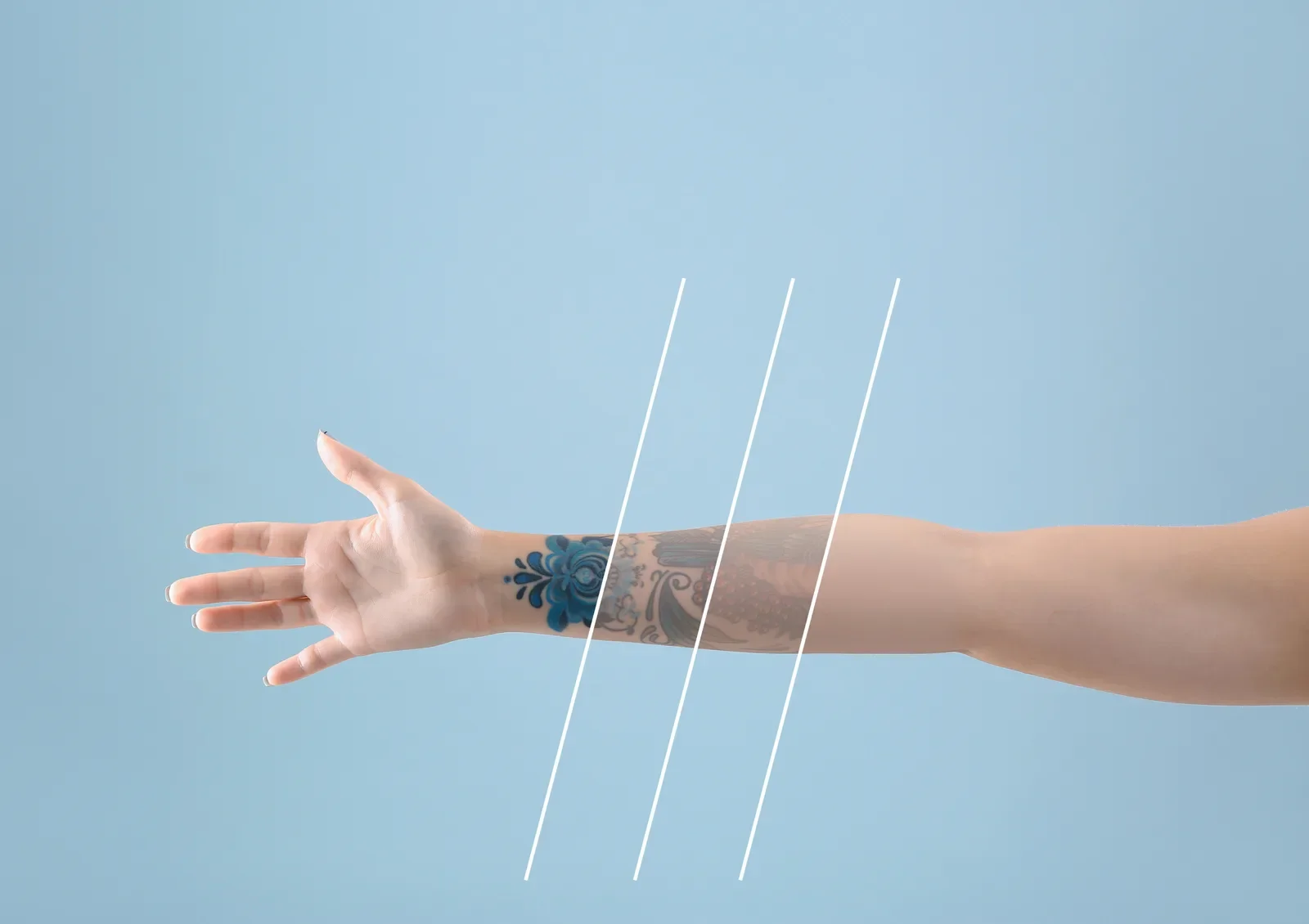
The best method for tattoo removal today is laser tattoo removal, a treatment that uses targeted light energy to break down ink particles beneath the skin with far less scarring risk than older techniques. If you are considering parting ways with a piece of ink that no longer fits your story, understanding how the options compare can help you feel confident in the decision. At The Aesthetic Edit, laser treatment is the path we recommend for most guests seeking clearer skin.
Key Takeaways
-
Laser tattoo removal is the best method for tattoo removal available today. It uses concentrated light energy to shatter ink particles while leaving surrounding skin largely undisturbed, a precision older methods like dermabrasion and excision cannot match.
-
Most tattoos require 6 to 10 or more sessions for significant fading. Sessions are typically spaced 6-8 weeks apart to give your body time to clear fragmented ink between treatments.
-
Darker ink colors respond fastest to laser treatment. Black and dark blue pigments absorb laser wavelengths most efficiently, while greens, yellows, and light pastels often require additional sessions.
-
Downtime is minimal compared to surgical removal. Most people resume daily activities immediately, with redness, swelling, or mild blistering resolving within 1-2 weeks.
-
Visible fading typically begins after the first 2-3 sessions. Full results take shape gradually as your body’s lymphatic system continues to clear ink fragments over several months.
If you are ready to explore whether laser tattoo removal is right for your skin and your ink, schedule a consultation with our team to map out a personalized path forward.
Comparing Tattoo Removal Methods
Several approaches have been used to remove tattoos over the years, and each comes with different trade-offs in scarring, recovery, and effectiveness.
-
Laser tattoo removal: Breaks ink into fragments that the body clears naturally. It works on tattoos of nearly any size and carries the lowest scarring risk when performed by an experienced provider.
-
Surgical excision: Cuts the tattooed skin out and stitches the edges together. It can remove a small tattoo in one visit, but it always leaves a scar and is impractical for larger designs.
-
Dermabrasion: Sands away the outer layers of skin to reach the ink. Results are often incomplete, and texture changes or scarring are common.
-
Tattoo removal creams: Claim to fade ink at home, but they cannot reach pigment in the dermis where tattoo ink sits, and some cause irritation or chemical burns.
For most people, laser treatment offers the best balance of meaningful fading, skin preservation, and minimal downtime.
How Laser Tattoo Removal Works
Laser tattoo removal uses focused pulses of light energy that penetrate the skin and target ink pigment directly. The laser heats the ink particles until they fracture into smaller fragments, a process called photothermolysis. Your body’s lymphatic system then naturally flushes these fragments away over the following weeks.
Laser energy is selective, meaning it targets pigment while leaving the surrounding skin structure largely intact. Each pulse can be calibrated to the ink’s depth, density, and color, which allows for a tailored, artistic approach rather than a one-size-fits-all solution. That precision is what makes it possible to achieve meaningful fading without the scarring associated with older methods.
What Tattoos Laser Removal Treats Best
Laser tattoo removal performs best on tattoos with solid, densely packed black or dark ink, since these pigments absorb laser wavelengths most efficiently. Professional tattoos with consistent ink saturation also tend to respond predictably compared to amateur or homemade tattoos with inconsistent depth.
-
Black and dark blue ink fades fastest due to broad wavelength absorption.
-
Older, sun-faded tattoos often clear more quickly since the ink has already begun to break down naturally.
-
Smaller tattoos generally require fewer total sessions than large-scale pieces.
-
Multicolor tattoos may need a combination of wavelengths to address stubborn pigments like green or yellow.
Treatment Sessions and Timeline
Most tattoos require 6 to 10 or more sessions to reach significant fading, spaced roughly 6-8 weeks apart. This interval gives your lymphatic system adequate time to clear fragmented ink before the next round of treatment begins.
Factors like tattoo size, ink density, color palette, and your skin’s natural healing rate all influence your personalized timeline. Many clients notice visible lightening after the first few sessions, with cumulative improvement continuing over the course of the full journey. Our guide to how many laser tattoo removal sessions you need explains these factors in more detail.
Downtime and Skin Healing
Downtime after laser tattoo removal is minimal, with most people returning to their normal routines the same day. You can expect redness, mild swelling, and occasionally light blistering in the treated area for the first few days following treatment.
Proper aftercare supports smoother healing and helps protect the skin’s natural rejuvenation process. Keeping the area clean, moisturized, and shielded from direct sun exposure allows your skin to recover comfortably between sessions. Most residual sensitivity resolves within 1-2 weeks, well before your next appointment.
Choosing Laser Tattoo Removal at The Aesthetic Edit
Choosing the right provider for laser tattoo removal matters as much as choosing the right technology. At The Aesthetic Edit, every tattoo removal journey begins with a thoughtful consultation designed to assess your ink, your skin, and your goals before a single pulse is applied.
Our team takes a personalized, consultation-based approach that honors your skin’s unique characteristics, with settings tailored to each tattoo. We believe removing a tattoo should feel as intentional and curated as the decision to get one. For a deeper look at how the process unfolds, explore our guide on how laser tattoo removal works.
Schedule Your Laser Tattoo Removal Consultation
Ready to begin your tattoo removal journey? Schedule a consultation with The Aesthetic Edit and we will build a session plan around your ink and your goals.
Frequently Asked Questions About Tattoo Removal
What is the best method for tattoo removal today?
Laser tattoo removal is widely considered the best method available today because it targets ink pigment precisely while minimizing risk to surrounding skin. It has largely replaced older techniques like dermabrasion and surgical excision due to its safety and consistency.
How does laser tattoo removal break down ink?
Laser energy heats ink particles until they fracture into smaller fragments through a process called photothermolysis. Your body’s lymphatic system then gradually clears these fragments away over the following weeks.
Do tattoo removal creams work?
Tattoo removal creams cannot reach the ink in the dermis, so they rarely produce meaningful fading. Some can also irritate or burn the skin, which is why laser treatment remains the preferred option.
Is laser tattoo removal effective for all ink colors?
Laser tattoo removal is most effective on black and dark blue ink, which absorb laser wavelengths efficiently. Lighter colors like green, yellow, and light pastels typically respond more slowly and may require additional sessions or specific wavelengths.
How many laser tattoo removal sessions will I need?
Most tattoos require 6 to 10 or more sessions spaced 6-8 weeks apart to achieve significant fading. Your exact number depends on tattoo size, ink density, color, and your skin’s natural healing response.
Does laser tattoo removal hurt compared to other methods?
Laser tattoo removal is generally more comfortable than surgical removal, with many describing the sensation as similar to a rubber band snapping against the skin. Your provider can discuss comfort options before treatment.
How long does it take to see results from laser tattoo removal?
Visible fading often begins after the first 2-3 sessions, though full results develop gradually over several months. Consistent session spacing allows your body to progressively clear ink fragments for the most refined outcome.
Ready to take the next step? Contact The Aesthetic Edit in Cedar Park, Texas, to schedule your laser tattoo removal consultation. You can also learn more about what influences tattoo removal cost before your visit.