Laser treatment for acne scars uses focused light energy to calm discoloration, even out tone, and encourage smoother-looking skin over time. At The Aesthetic Edit, one of the most requested options for this concern is the IPL Laser Facial, a light-based treatment that targets the pigment and redness left behind after breakouts. If your acne has cleared but the marks it left behind have not, understanding how this treatment works can help you set realistic expectations before your first visit.
Key Takeaways
-
IPL primarily targets the discoloration acne leaves behind, not deep pitted texture. It works by targeting pigment and dilated blood vessels to fade red or brown post-acne marks over a series of sessions.
-
Most clients need 3-6 IPL sessions spaced 3-4 weeks apart for noticeable improvement. Consistent spacing allows skin to process pigment between treatments and supports a gradual, natural-looking result.
-
Visible improvement typically begins within 1-2 weeks of the first session. Full results usually build over the full course of treatments as pigment continues to clear.
-
Downtime after IPL is minimal, with most redness settling within 24-48 hours. Many clients return to their normal routine the same day, avoiding sun exposure and heat during recovery.
-
IPL is best suited to lighter skin tones with red or brown post-acne marks. Deeper skin tones or textured, pitted scarring typically call for a different approach, such as Morpheus8 or Opus Plasma®.
If you are ready to explore whether IPL fits your skin’s specific pattern of scarring, schedule a consultation with our team. We will look closely at your skin and build a plan around what your acne scars actually need.
How IPL Treats Acne Scars
IPL, or Intense Pulsed Light, works by delivering broad-spectrum light into the skin, where it is absorbed by pigment and small blood vessels. This targeted energy breaks down excess melanin and constricts the tiny vessels that cause lingering redness after a breakout. The result is a gradual fading of the marks acne leaves behind, rather than an aggressive resurfacing of the skin’s surface.
It is worth noting what IPL does not do. It does not physically remove tissue or rebuild lost collagen the way an ablative laser or microneedling device might. Its strength lies in correcting color, which makes it a refined option for the pigmentation phase of acne recovery rather than deep textural change.
What IPL Improves Best
IPL performs best on the discoloration that lingers after a blemish has healed, commonly known as post-inflammatory erythema (redness) or post-inflammatory hyperpigmentation (brown or dark marks). These flat marks respond well because IPL’s light targets pigment and vessels directly at the source. Many clients see their skin tone even out and appear more uniform after a full course of treatment.
Where IPL is less effective is on scars with actual texture change, such as ice pick, boxcar, or rolling scars that create depth or unevenness. For those concerns, a device like Opus Plasma® or Morpheus8 is typically better suited, since both work at a deeper level to stimulate collagen remodeling. Your provider can help determine which concern is driving your skin’s appearance.
Treatment Process Overview
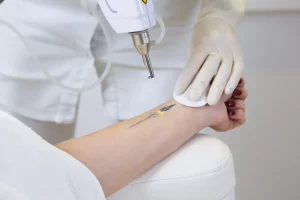
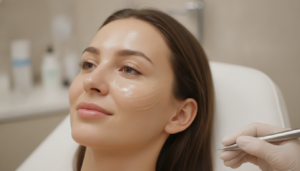
Your IPL session begins with a cleansing of the treatment area and application of a cooling gel to protect the skin’s surface. The provider then passes the handpiece over your face, delivering pulses of light in a controlled, methodical pattern. Most sessions take 20-30 minutes depending on the size of the area being treated.
You may feel a warm snapping sensation with each pulse, similar to a light rubber band flick, though most clients tolerate it comfortably. No numbing cream is typically required. Sunscreen and a calming moisturizer are applied at the end of your session before you head home.
Results and Improvement Timeline
Most clients notice their skin looking brighter and more even within 1-2 weeks of their first IPL session. Deeper or more established marks may take longer to fade, and darker pigment spots often appear to darken briefly before flaking away and revealing clearer skin underneath. This is a normal part of the process, not a setback.
A full course of 3-6 sessions, spaced 3-4 weeks apart, tends to deliver the most noticeable and lasting improvement. Spacing sessions this way gives your skin time to process pigment naturally between visits. Maintenance sessions every few months can help preserve your results as your skin continues to renew itself.
Downtime and Recovery
Downtime after IPL is minimal compared to many other laser treatments for acne scars. You can expect mild redness immediately after treatment, similar to a light sunburn, which typically settles within 24-48 hours. Some clients notice tiny dark spots on treated pigment, which will flake off naturally over the following 7-10 days.
Most people return to work and normal activities the same day. Sun exposure should be avoided during recovery, and a broad-spectrum sunscreen is essential to protect your results and prevent new pigment from forming. Avoid harsh exfoliants or retinoids for a few days following your session.
Is IPL Right for You
IPL tends to suit clients with lighter to medium skin tones who are dealing with red or brown discoloration from past breakouts rather than deep textural scarring. Because IPL targets pigment directly, it carries more risk of unwanted pigment changes in deeper skin tones, so a thorough consultation is essential before booking. Active tans, certain medications, and active acne breakouts can also affect candidacy.
If your primary concern is texture, indentation, or deeper scarring, your provider may recommend pairing IPL with or substituting it for a treatment like Morpheus8 or Opus Plasma®, which work at a different depth of the skin. A personalized consultation is the most reliable way to map out the right combination for your skin’s specific history.
Frequently Asked Questions About Laser Treatment For Acne Scars
What does IPL do for acne scars?
IPL targets the pigment and small blood vessels responsible for the red or brown marks left behind after acne heals. It does not rebuild lost tissue, so it works best on discoloration rather than pitted or indented scarring.
Is IPL effective for red or dark acne scars?
Yes, IPL is particularly well suited to red post-acne marks and dark hyperpigmentation. These flat, color-based marks respond to the light energy far more predictably than textured scars do.
How many IPL treatments are needed for acne scars?
Most clients need 3-6 sessions spaced 3-4 weeks apart to see meaningful improvement. Your provider will adjust this number based on how your skin responds along the way.
Does IPL work on deep acne scars or texture?
IPL is not the ideal choice for deep, pitted, or textured scarring such as ice pick or boxcar scars. Treatments like Opus Plasma® or Morpheus8 are generally better suited to addressing textural change.
Is there downtime after IPL for acne scars?
Downtime is minimal, with most redness resolving within 24-48 hours. Small dark spots on treated pigment will flake off naturally over the following week.
Is IPL safe for all skin tones with acne scarring?
IPL is generally best suited for lighter to medium skin tones, since it targets pigment directly and carries more risk of unwanted pigment changes in deeper skin tones. A consultation will confirm whether IPL or an alternative treatment is the safer choice for your skin.
When will I see results from IPL acne scar treatments?
Most clients notice brighter, more even-toned skin within 1-2 weeks of their first session. Full results typically build over the course of 3-6 treatments.
Ready to see what a curated approach to acne scarring can do for your skin? Schedule a consultation with The Aesthetic Edit in Cedar Park, Texas, and we will build a treatment plan around your goals.